Culture2nd Dec 2026•3 minute read
Q&A: UTA’s Ken Fermaglich on Music and Community

Article's author
Share article
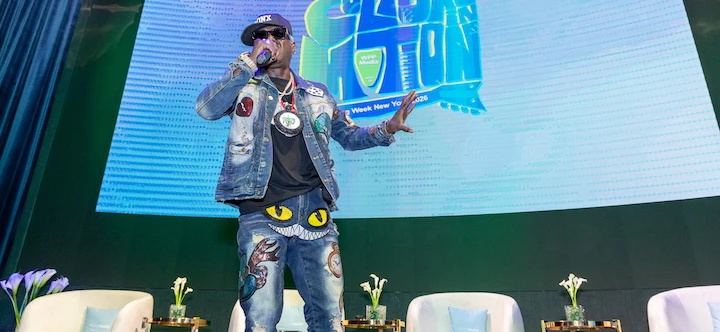
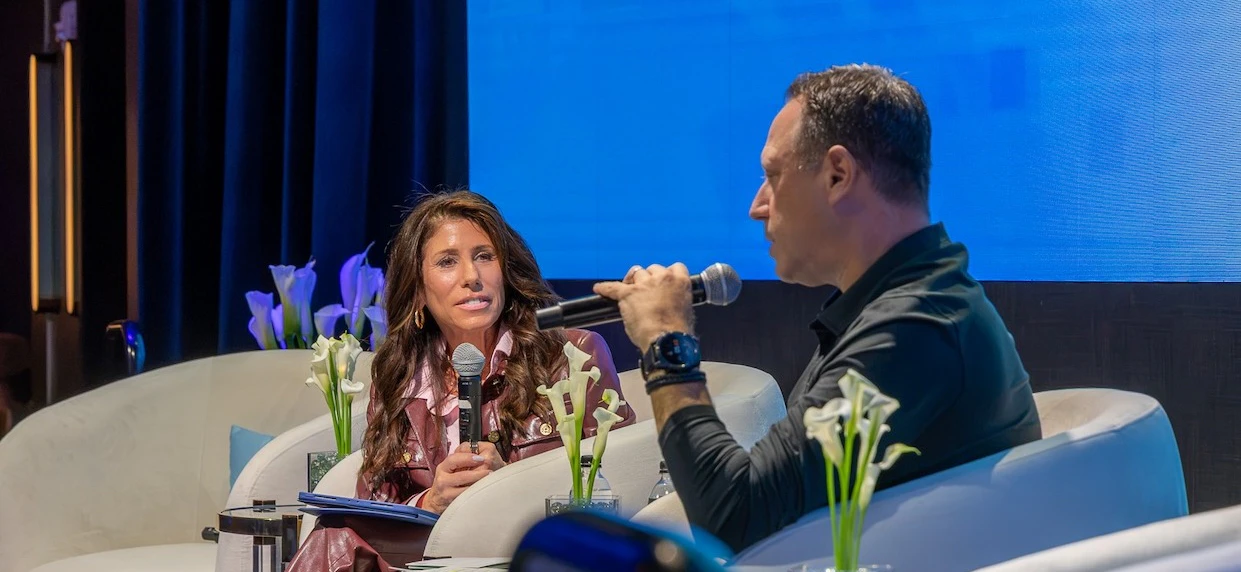
A partner and music agent at UTA, Ken Fermaglich is a four-time Billboard Power 100 leader and the architect behind the touring careers of powerhouse acts like Guns N' Roses, Paramore, and Creed among others. Fermaglich knows better than anyone how modern artist careers are built and sustained. He recently took part in WPP Media’s “Culture in Motion” event during Advertising Week New York 2026 and also took some time to dive deeper into a few questions about the music industry, fandom, and community.
To say the music industry has changed dramatically in the last 20 years would be an understatement? Can you talk about the inversion of record sales vs. tours, and how much more important touring has become?
The paradigm has changed. Over the last 10,15, 20 years, touring has become the number one revenue for a musician, and it used to be record sales. That’s not to say new music isn’t still a driver, just that the roles have reversed.
On top of that, the vertical scalability of touring has gotten so big — touring also yields other financial revenue streams like merchandise and VIP experiences — so the business around it has gotten really big, too.
How much more planning goes into a tour these days?
We spend a lot of time with our artists and our management teams talking through how to launch and how to connect to audiences and how best to find ways to engage the audience, bring them along on the ride.
Now, it starts before the “official” tour announcement.
That strategy contains teases, videos, collaborations — and content, content and more content. The sky is the limit on what those rollouts look like: press conferences, drone shows, underplay or pop-up performances to create the buzz and get the word out.
Then you put a tour on sale, then you start selling tickets. Then there's marketing. Then comes the shows. And with social now, the shows are part of the marketing. The show plays off. All of this content gets created, whether it's artist content or whether it's fan content, we have both. It all is getting created and then pushed out to amplify the show. It doesn't just end in the arena. That one experience goes from thousands of people to tens of thousands and beyond.
How important have VIP packages become, reaching the super fan? What are some of the experiences bands can offer?
Depending on the band, very important. It’s another revenue stream and also another way for an artist to connect with a fan and vice versa. VIP packages can include meet and greets, soundcheck parties, hospitality rooms, barbecues, memorabilia museums. They come in all different shapes and sizes. The communities that have built up around bands have an insatiable appetite for connection and VIP packages offer a way to do that.
One way of reaching hard-core longtime fans is band cruises. Can you talk about the challenges vs. the opportunity there?
It’s not for everyone, but for the right artist, with the right fanbase, curating experiences like cruises or destination concert packages has tremendous upside. They give the uber fan a unique proposition they can’t get anywhere else.
In the case of a cruise, for example, it’s an experience you simply can’t replicate in a traditional concert venue. This is a four- or five-day trip where the fan is completely immersed. You've got their attention, they're captive to some extent, and you can create an entire program of bespoke activations that deepen and enrich the fan experience. This is something unique that they can never see anywhere else. There’s a real surprise-and-delight factor that creates word of mouth within fan communities and keeps people coming back.
Is there a place for brands in any of these experiential activations?
Every one of them a has brand potential and activation components. These activations cost money, so bands are open to partnerships. So brands can think about how and where they can fit into these things — cruise, backstage experiences, stadium activations, meet-and-greets, soundcheck parties — in a way that feels right, doesn’t feel intrusive, while also leaving fans feel like the brand helped make it happen or that the brand is building and supporting this specific community.
What hasn’t changed about music? It still seems like this pure thing that can create core memories for people.
Music is still about feeling. How do people feel when they listen to music, either by themselves or with others. It’s all something that when experienced live, has infinite power to heal. That’s a thing that I think is really important as you think about what music does for people. People come out of whatever, or go to the concert, dealing with whatever problems they have or whatever their life is going through, and they come to see an artist play a show, whatever show you're talking about, because it takes the consumer, the fan, somewhere else. So, there's a healing place here, a healing capability of music, which can't be understated. It’s incredible.
Read more about Advertising Week New York 2026 and the intersection of culture and marketing.